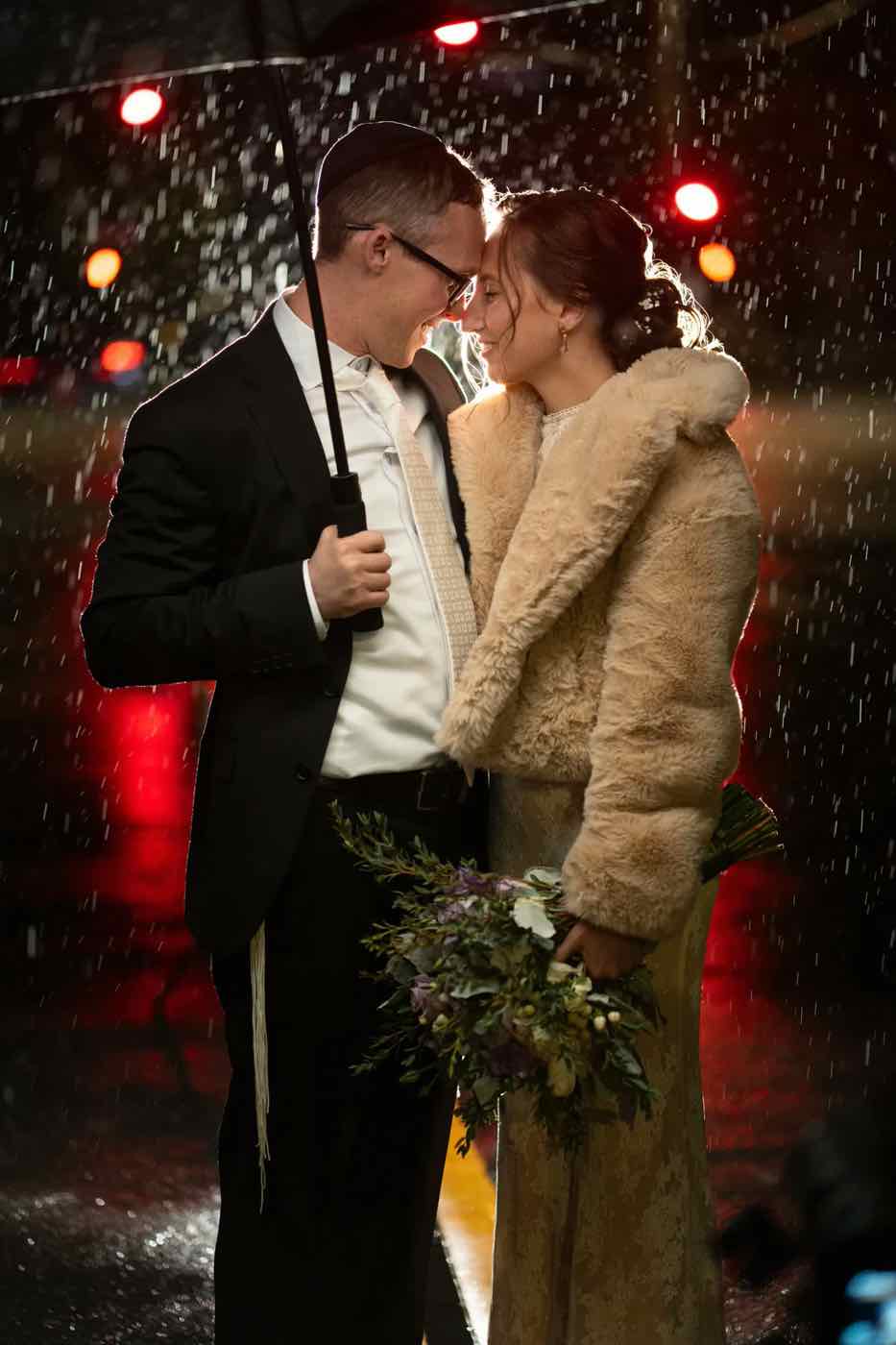
If an event matters enough to film, it's usually worth photographing too. Video and photos do different jobs, and planning them together from the start avoids gaps in coverage and two crews getting in each other's way. We coordinate both through Silverstein Studios and our sister brand, Gabe Silverstein Photography.
Most clients come to us for one or the other. It's a pattern we see often: someone books video for a gala, a launch, or a wedding, loves the film, and later wishes they'd booked photos too.
Video tells the story. Photos hold the moment.
A good event film captures motion, sound, and narrative: the energy of the room, the arc of a speech, the rhythm of a celebration. It's what you share afterward to make people feel they were there, or to show future guests and donors what the experience is like.
Photos do something different. A single frame of a speaker mid-gesture, a candid laugh, or a detail of the table setting is what ends up on websites, in annual reports, in press coverage, and on walls. Stills are also easier to drop into a quick social post or a newsletter.
Shot at the same event with the same creative direction, the two together cover nearly every use: social, press, print, web, and your archive.
What goes wrong with two separate vendors
When the photographer and videographer meet for the first time on the day, the problems are predictable. They block each other's angles during speeches, flash shows up in the video, both cover the same moment while something else goes unrecorded, and the photos and film end up looking like they came from different events.
How we coordinate coverage
Silverstein Studios handles video, and Gabe Silverstein Photography handles photography. Because both work under the same creative umbrella, we can coordinate in ways two independent vendors rarely do.
Before the event we run one production brief, not separate calls with people who've never met. We build the shot list together, plan positions so we don't block each other, and agree on the key moments both teams need to capture.
On the day, photo and video work as one team, so the coverage feels consistent in tone and style.
How to plan for both
Whoever you hire, these steps make integrated coverage work:
- Share the run of show early, with times for speeches, performances, and anything that only happens once.
- List the must-haves: key people, sponsors, groupings, and details you'll want later.
- Say where the assets will go. Website, vertical social clips, print, and press each need slightly different coverage.
- Flag sensitivities, such as guests who shouldn't be photographed or areas that are off-limits.
- Set aside a quiet spot and time if you want interviews or testimonials.
- Name one point of contact on your side who can make decisions during the event.
Events we cover
We cover weddings, bar mitzvahs, galas, nonprofit events, and corporate gatherings, mostly here in Los Angeles. If you're planning one and want photo and video from a single point of contact, we'd love to talk. Our guide to hiring a video production company in LA covers what to prepare.
Why it matters for recurring clients
The clients who book both tend to tell us they use both, and wish they'd started sooner. Booking both costs more up front than booking one, but you come away with far more usable material from a single event.
For nonprofits, brands, and institutions that hold events every year, using the same team also builds a consistent visual identity over time. That's hard to get when the photographer and videographer change every cycle.
Planning an event or an ongoing content series? Tell us what you need and we'll plan both sides of the lens.